
Why Are My Teeth Sensitive to Cold Air?
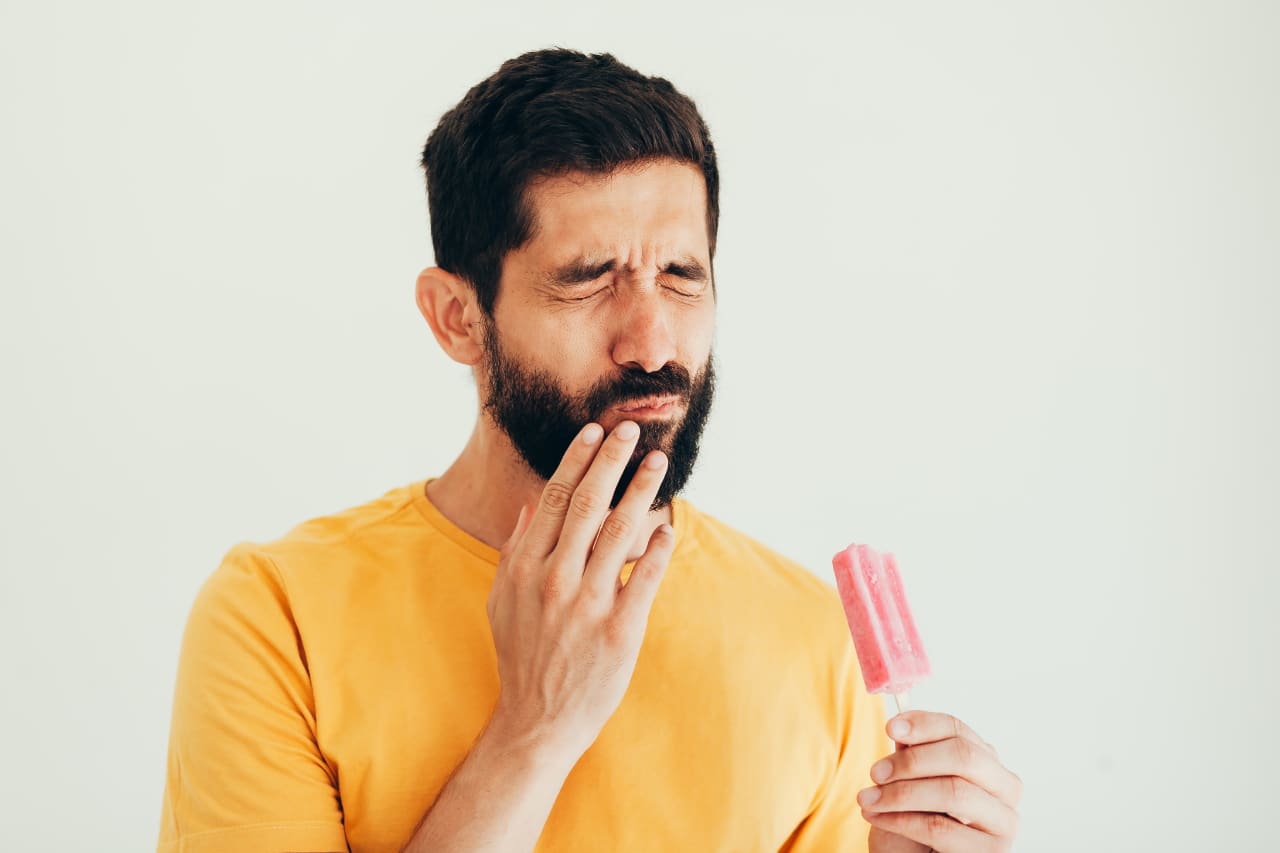
Teeth usually feel sensitive to cold air because worn enamel or receding gums have exposed dentin, the softer layer underneath, which connects to the nerve inside the tooth. When cold air touches that exposed area, it triggers a quick, sharp zing. Common causes include enamel wear, gum recession, cavities, cracked teeth, and grinding. At Ham Lake Dental, we help patients find the cause of their sensitivity and relieve it, so a walk outside on a cold Minnesota morning does not come with a wince.
What Is Happening Inside My Tooth When Cold Air Causes Pain?
Each tooth has a hard outer shell of enamel that protects the softer dentin beneath it. Dentin contains thousands of microscopic channels that lead to the nerve at the center of the tooth. When enamel wears thin or gums pull back from the root, those channels are exposed, and temperature changes, like a gulp of cold air, reach the nerve much more easily than they should.
That is why sensitivity often feels like a brief, sharp jolt rather than a constant ache. For many people it is a warning sign that something is wearing down or changing in the mouth.
What Are the Most Common Causes of Cold Sensitivity?
- Worn enamel: Acidic foods and drinks, frequent snacking, and brushing too hard can gradually thin enamel. Our guide to foods that are harmful for teeth explains which habits to watch.
- Receding gums: When gums pull back, the root surface is exposed, and roots do not have enamel to protect them. Gum recession can come from gum disease, aggressive brushing, or simply aging.
- Cavities: Decay that reaches the dentin often causes sensitivity to cold before it causes any other symptom. Learn how to know if you have a cavity and what to look for.
- Cracked teeth or aging restorations: A crack, or a filling or crown that no longer seals well, can let temperature changes reach the inside of the tooth.
- Grinding and clenching: Years of pressure can wear down enamel and create tiny cracks, often without you realizing it is happening.
- Recent whitening: Some people notice temporary sensitivity after whitening. If you whiten often, our article on how often you should whiten your teeth can help you find a comfortable schedule.
Why Does Tooth Sensitivity Seem Worse in Winter?
Sensitivity tends to stand out in cold weather for a simple reason: you are exposing your teeth to cold air far more often. Breathing through your mouth outdoors, stepping from a warm house into freezing temperatures, and sipping a hot drink and then inhaling cold air all create sudden temperature swings. Teeth with exposed dentin react to those swings quickly.
Winter does not usually cause the underlying problem. It simply reveals one that was already there, which makes the first cold snap a good time to have your teeth checked.
Is Sensitivity to Cold Air a Sign of a Cavity?
It can be, but it does not have to be. A cavity is one of several possible causes, and the only reliable way to tell the difference is a dental exam. Sensitivity in one specific tooth, especially if it keeps coming back or is getting worse, is more likely to point to decay, a crack, or a failing restoration than sensitivity spread across many teeth, which more often points to enamel wear or gum recession.
How Can I Ease Tooth Sensitivity at Home?
While you wait for your appointment, these steps can help:
- Switch to a toothpaste made for sensitive teeth. Desensitizing toothpastes can reduce the signals reaching the nerve, though they often take several weeks of regular use to make a noticeable difference.
- Use a soft-bristled toothbrush. Brush gently in small circles rather than scrubbing back and forth.
- Breathe through your nose outdoors. This warms the air before it reaches your teeth.
- Limit acidic foods and drinks. Citrus, soda, and sports drinks can soften enamel, and it is best to wait about 30 minutes after having them before you brush.
- Keep up with daily brushing and flossing. Gum health matters, because healthy gums protect the roots of your teeth.
These tips can make you more comfortable, but they will not fix an underlying problem like a cavity or a crack.
When Should I See a Dentist About Cold Sensitivity?
Schedule a visit if you notice any of the following:
- Sensitivity that lasts more than a few weeks or keeps getting worse
- Pain that lingers for more than a few seconds after the cold is gone
- Sensitivity in just one tooth
- Pain when you bite down or chew
- Sensitivity to hot as well as cold, or pain that comes on without any trigger
If you have severe pain, swelling, or a tooth that has cracked or broken, do not wait. Our dental emergency care is available to help you get relief quickly.
How Do Dentists Treat Sensitive Teeth?
Treatment depends on the cause, which is why we start with a thorough exam. We use dental X-rays and intraoral cameras to find the source of the problem and show you exactly what we see. From there, treatment may include:
- Professional fluoride treatment: Strengthens weakened enamel and helps reduce sensitivity.
- Dental fillings: Remove decay and restore the tooth so the nerve is protected again.
- Dental bonding: Covers exposed root surfaces or worn areas with a tooth-colored material.
- Inlays and onlays: Repair damaged teeth that need more support than a filling can provide.
- Occlusal guards: Protect teeth from the pressure of grinding and clenching.
- Professional dental cleanings: Remove plaque and tartar that irritate the gums and contribute to recession.
When sensitivity comes from a nerve that is badly irritated or infected, a root canal may be the best way to relieve the pain and save the tooth. Dr. Alex Shnaydruk, who has a special interest in endodontics, can walk you through your options, and our post on whether you need a crown after a root canal explains what recovery can look like. You can also learn more about our root canal treatment.
Frequently Asked Questions About Cold Tooth Sensitivity
Is it normal for my teeth to hurt in cold air?
It is common, but it is not something you have to live with. Cold sensitivity is a sign that part of the tooth is exposed or compromised, and most causes are very treatable once they are identified.
Can tooth sensitivity go away on its own?
Sometimes, especially when it comes from a temporary cause like recent whitening. If sensitivity has no clear cause or lasts more than a few weeks, it is best to have it checked.
Does sensitive toothpaste really work?
For many people, yes, particularly for mild sensitivity caused by exposed dentin. It usually takes consistent use over several weeks, and it will not resolve problems like cavities or cracks.
Why is only one tooth sensitive to cold?
Sensitivity in a single tooth often points to a localized problem such as a cavity, a crack, or a worn filling. Having that tooth examined sooner rather than later can prevent a bigger problem.
Can grinding my teeth cause cold sensitivity?
Yes. Grinding and clenching can wear away enamel and cause tiny cracks. If you wake up with a sore jaw or headaches, mention it at your next visit.
Schedule Your Sensitive Teeth Exam
You do not have to put up with a sharp zing every time you step outside. Call Ham Lake Dental at (763) 265-6057 or book your appointment online to find the cause of your sensitivity and get back to enjoying your winter.